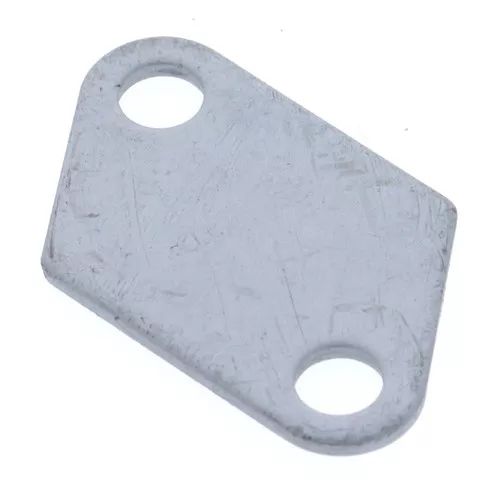
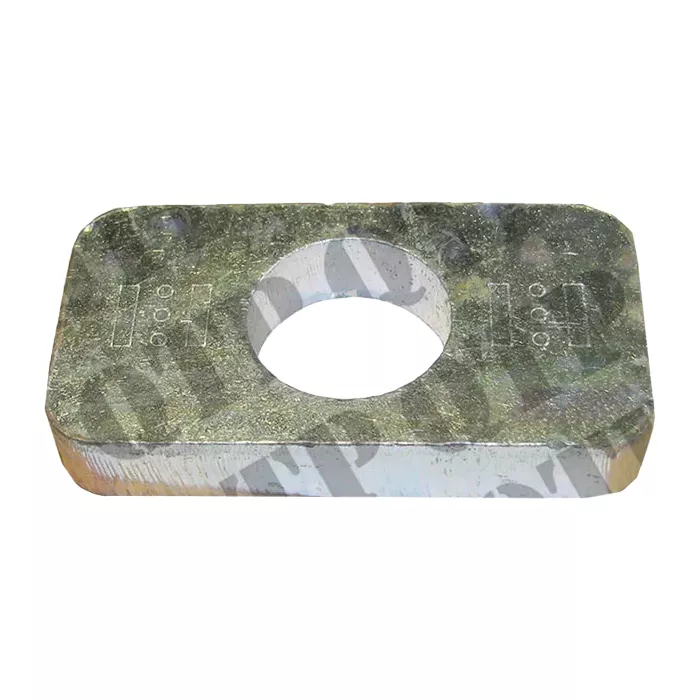
If your John Deere’s three-point hitch has been getting sloppy lately – implements won’t stay put, you’re hearing rattles and clunks when you lift or lower, or your lift links have too much play – it’s probably time to look at the fork plates. This bottom fork plate with its precision 32mm hole is the critical connection point where your lift links meet the hitch mechanism, and when it wears out, your whole hitch system suffers.
What You’re Getting
- Precision 32mm hole that mates perfectly with the lift link pin for tight operation
- CBM type design engineered specifically for John Deere three-point hitch systems
- Heavy-duty steel construction that handles the stress of constant lifting cycles
- Direct replacement part that restores your hitch to proper working condition
- Works with lift link pin 41745 for complete hitch service and reliability
Built for Real Farm Work
Your three-point hitch handles everything from bush hogs and box blades to cultivators and hay equipment – implements that put serious stress on every connection point. This fork plate sits right at the heart of that system, taking the load every time you lift an implement or work in rough terrain. Whether you’re running a rotary cutter that needs to stay level or pulling a disc that requires precise depth control, this plate ensures your lift links connect solidly and move smoothly.
Made to Last
Farm equipment doesn’t get babied, and this fork plate is built accordingly. The CBM type design and quality steel construction resist the wear that comes from thousands of lift cycles, heavy implement loads, and the constant articulation that happens when you’re working uneven ground. It’s engineered to maintain tight tolerances so your hitch keeps working precisely season after season.
Installation Notes
This plate works specifically with CBM type three-point hitch systems and pairs with lift link pin 41745 for complete service. When you’re replacing hitch components, check all the related parts – pins, bushings, and other plates – for wear while you’ve got things apart. Proper alignment during installation is key to preventing premature wear and ensuring smooth operation.