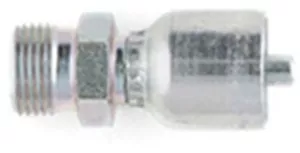
When you’re dealing with hydraulic repairs or building custom hose assemblies, having the right fitting makes all the difference. This Parker 43 Series crimp fitting gives you a rock-solid connection between your 1/2 inch hydraulic hose and M24 metric threads. It’s the kind of fitting that keeps your system sealed up tight and your hydraulic fluid where it belongs—in the lines, not on the ground.
What You’re Getting
- Precision-engineered male fitting with straight, rigid design for reliable connections
- M24 x 1.5 metric threading that matches European and newer equipment standards
- Part of Parker’s proven 43 Series—the same fittings you’ll find on OEM equipment
- Designed for permanent crimped connections that won’t work loose under pressure
Built for Real Farm Work
This fitting is what you’ll need when working on tractors and implements with metric hydraulic systems. European brands and many newer domestic machines use metric threading, and this M24 size is common on mid-pressure hydraulic circuits. Whether you’re repairing loader lines, auxiliary hydraulics, or implement connections, this fitting handles the pressures and vibrations that come with farm work.
Made to Last
Parker builds these fittings to the same specs as the ones that come from the tractor factory. The steel construction and precision threading mean you’ll get a leak-free connection that stays tight through temperature swings, vibration, and the kind of abuse hydraulic systems take on a working farm.
Good to Know
This is a crimp-style fitting, so you’ll need the proper crimping tool and dies to install it permanently on your hose. Make sure your hose end is cut square and clean before crimping. The rigid design means it won’t swivel once installed, so plan your routing accordingly when building assemblies.