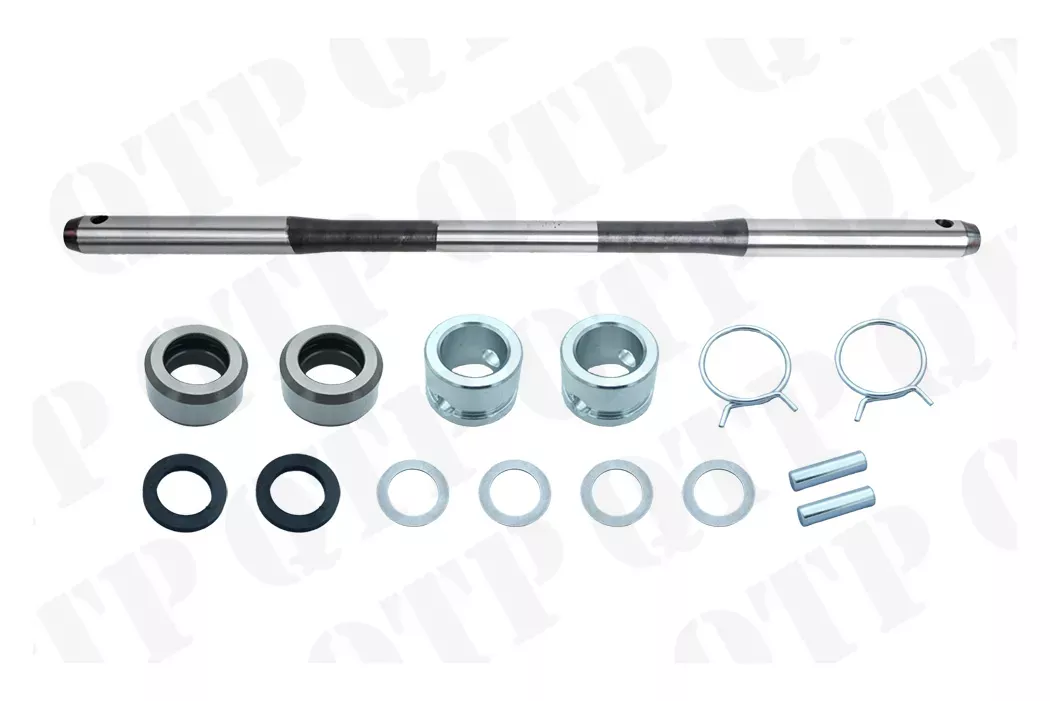
If you’ve noticed your PTO-driven implements aren’t performing consistently or your tractor’s load management systems seem off, the issue might be hiding right at the heart of your power take-off system. This load control sensor shaft kit monitors how hard your PTO shaft is working and feeds that information back to your tractor’s computer for better implement protection and fuel efficiency. When this sensor starts failing, you’ll see erratic performance from implements that should be running smoothly.
What You’re Getting
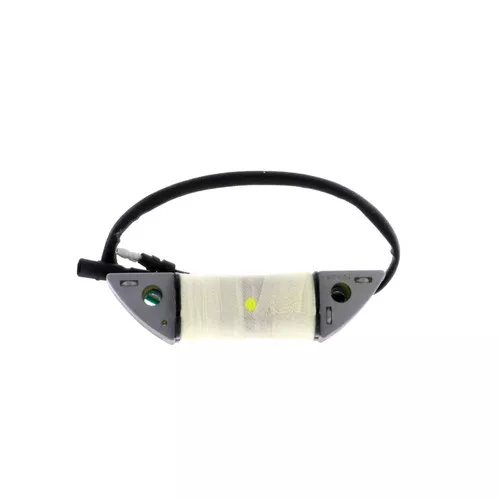
- Complete shaft sensor assembly that monitors PTO load in real-time
- Precision electronics that communicate directly with your tractor’s computer
- Durable construction that handles the vibration and harsh conditions around the PTO
- Direct replacement designed for reliable installation with existing wiring
- Protection system that prevents implement damage from overload conditions
Built for Real Farm Work
This kit is designed for John Deere 40 and 50 series tractors including the 2040, 2140, 3040, 3140, 3640, 2650, 2850, 3050, 3350, and 3650 models. These versatile workhorses handle everything from hay operations and cultivation to loader work and specialized implement tasks. When you’re running demanding PTO equipment like balers, mowers, or heavy tillage tools, this sensor helps your tractor automatically adjust to protect both the engine and implement from harmful overloads.
Made to Last
PTO sensors live in one of the toughest spots on your tractor—right where engine power meets implement demands. This kit features sealed electronics that resist oil mist, dirt, and the constant vibration that comes with farm work. The sensing elements are built to provide accurate readings even when operating in dusty conditions or temperature extremes, giving you reliable load monitoring season after season.
Good to Know
Installation typically takes about an hour and requires basic hand tools. The sensor mounts near the PTO shaft, so you’ll need to disconnect the battery before starting work. Make sure the mounting area is clean and the electrical connections are tight—corrosion here causes erratic readings. After installation, your tractor’s computer may need a few operating cycles to learn the new sensor’s characteristics, so don’t worry if performance seems slightly different at first.