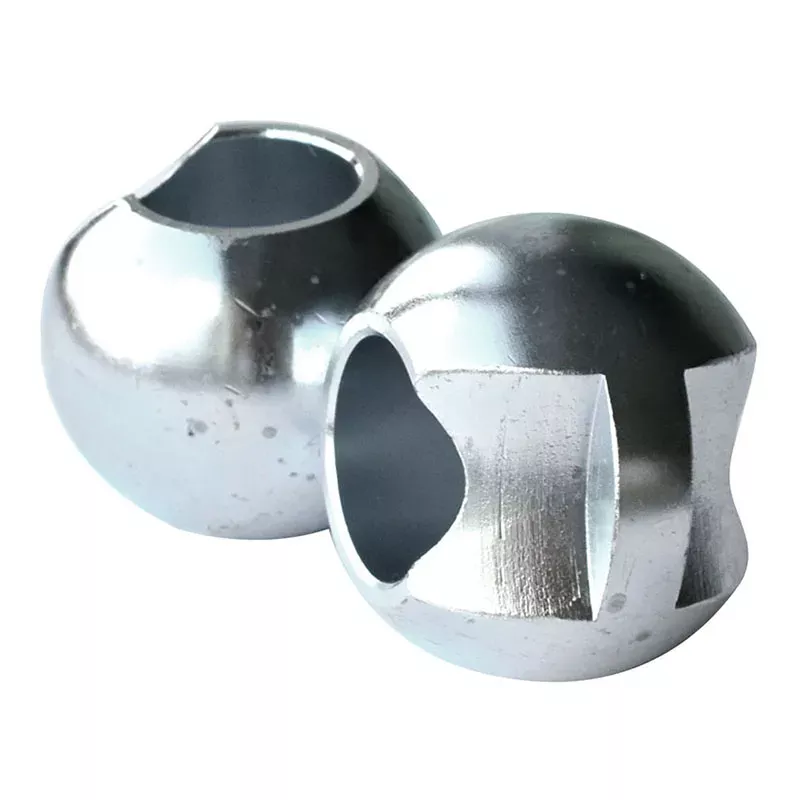
When you’re hooking up implements and you feel that sloppy play in your three-point hitch, it’s usually those lower link balls telling you they’ve had enough. Lower link balls take tremendous abuse – supporting implement weight, transferring draft forces, and allowing articulation. Worn balls create dangerous slop in your three-point hitch, causing poor implement control and accelerated wear on other components. These Category 2 balls are built to bring back that tight, precise connection you need for safe implement operation.
What You’re Getting
- Interchangeable design means no worrying about left versus right – they work on either side, so you can stock just one part for both positions
- Category 2 standard sizing that handles the loads from medium to heavy implements on tractors from 40-125 horsepower
- Direct replacement design that drops right into your existing lower link arms without modifications
- Fits multiple Massey Ferguson series, simplifying parts inventory while ensuring proper implement connection
Built for Real Farm Work
From compact 100 series to powerful 600 series tractors, these link balls provide consistent Category 2 compatibility. Whether you’re running a smaller utility tractor for loader work or a big row-crop machine pulling heavy tillage equipment, these balls give you the solid connection point your three-point system needs to transfer those heavy draft loads safely.
Made to Last
These balls are built to handle the constant stress of implement attachment and the shock loads that come with working over rough ground. The precision-machined surface maintains smooth movement even after seasons of use, so you won’t develop that binding and sticking that makes implement changes a wrestling match.
Good to Know
Installation is straightforward—just remove the old balls and thread these on. Don’t forget to check your retaining clips (use with 191114M91, 886428M1 and 886429M1 lift arm balls) while you’re at it—a loose clip can let a ball drop out, which is dangerous and expensive. It’s smart to replace both sides at the same time since they typically wear at the same rate.