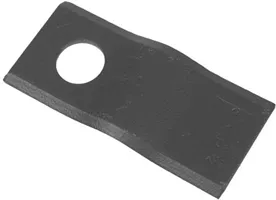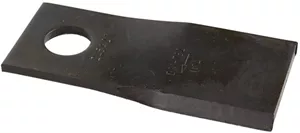
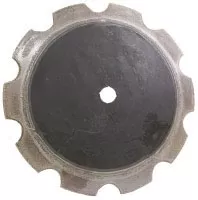
When your disc blades start looking like dull butter knives instead of cutting tools, you need something that’ll actually slice through tough corn stalks and matted residue. This 28-inch notched blade with Wear Tuff coating brings back that aggressive cutting action your harrow needs, turning stubborn crop residue into properly sized pieces that’ll break down over winter instead of wrapping around your planter come spring.
What You’re Getting
- Wear Tuff coating extends blade life by reducing wear and corrosion compared to standard steel
- Notched edge design creates scissor action that cuts through tough stalks instead of just bending them over
- Quality Boron 15B26 steel at 46-52 Rockwell hardness holds an edge through acres of tough tillage
- 1-5/8 inch round axle mounting fits most medium to large frame disc harrows
- 4.25-inch standard concavity throws soil aggressively to bury residue and level fields
Built for Real Farm Work
This 28-inch blade is sized for the bigger disc harrows you see working corn and soybean ground across the Midwest. Whether you’re breaking up fall corn stalks or working through heavy bean stubble, the notched edge attacks residue aggressively while the Wear Tuff coating keeps the blade cutting longer than standard steel.
Made to Last
The Wear Tuff coating isn’t just marketing – it’s a protective layer that helps resist the constant abrasion from soil and crop residue. Combined with quality Boron steel construction, you’ll get more acres per blade and less downtime for replacements.
Good to Know
Never mix worn and new blades on the same gang – the diameter difference creates uneven cutting that leaves mohawk strips in your field. While you’ve got the gangs apart, check your spool spacing since notched blades sometimes need slightly different spacing than smooth ones for optimal performance.